
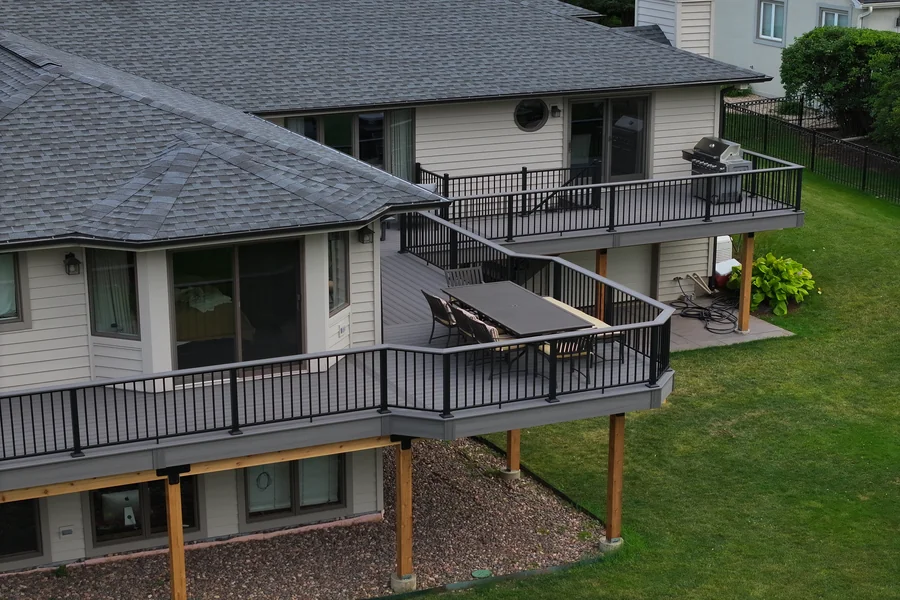
Imagine sitting on your back porch with a coffee in hand, looking at that patch of grass and thinking, “This spot would be perfect for a deck.” It’s a classic homeowner milestone—that transition from a yard to a true outdoor sanctuary. But before you head to the lumber yard and start picking out cedar planks, there is an invisible guest you have to invite to the planning party: your local building department.
While building a deck feels like a personal labor of love, to your city, it’s a structural math problem involving safety, soil, and setbacks. Most places in the U.S. use the same basic playbook, but how they interpret those rules is where things get interesting. For example, if you are planning a project for deck building in Tacoma, you’ll find a system that leans into “common sense” flexibility for DIYers, whereas a place like Naperville, Illinois, maintains a meticulous, hands-on approach to keep every neighborhood standard high.
To see how much your zip code actually changes your Saturday morning plans, we’re looking at these two very different cities. Whether you’re in the Pacific Northwest or the heart of the Midwest, here is the reality of what you’re up against before you ever drive the first screw.
Building Code Frameworks
Both cities operate under IRC-based systems, but with different adoption cycles and amendments.
- Tacoma follows the Washington State Residential Code (2021 IRC-based) with local municipal adjustments.
- Naperville has recently adopted the 2024 ICC code suite, including the IRC, with additional local amendments.
Key takeaway:
Naperville is currently aligned with the very latest national standards, so if you’re diving into Naperville deck building, you’ll be working with the most up-to-date safety and structural playbooks out there. On the other hand, Tacoma operates on a slightly older (though still very modern) code cycle. It might seem like a small technicality, but these different timelines actually dictate the “nitty-gritty” of your project—everything from how much weight your deck can hold to exactly what an inspector is going to be checking for when they show up at your house.
Permit Thresholds: When You Need Approval
Tacoma, WA: More Granular Exemptions
Tacoma provides a multi-factor exemption rule, allowing some decks to bypass permitting entirely.
A permit is not required if ALL of the following apply:
- ≤ 200 square feet
- ≤ 30 inches above grade
- Freestanding (not attached)
- Not serving as a required exit
Additionally:
- Any attached deck requires a permit
- Any deck over 30 inches high requires a permit
This creates a relatively clear “safe harbor” for small backyard platforms.
Naperville, IL: Broader Permit Requirements
Naperville takes a more inclusive permitting approach:
- Permits are required for:
- Any elevated deck
- Structural modifications (rails, stairs, joists, etc.)
- A limited exemption exists:
- Freestanding decks ≤30 inches high may not require a permit
However:
- Attached decks always require permits
- The city is known for fewer exemptions overall and stricter enforcement
Even modest projects often trigger formal review.
Regulatory Philosophy: Flexible vs. Controlled
Tacoma: Conditional Flexibility
Tacoma’s framework reflects a risk-based model:
- Small, low-risk structures are exempt
- Larger or structurally integrated decks trigger oversight
- Emphasis on height, attachment, and use-case
This reduces friction for DIY homeowners building simple ground-level decks.
Naperville: Compliance-First Approach
Naperville emphasizes:
- Universal permitting for structural work
- Integration with broader municipal systems (zoning, electrical, inspections)
- A more centralized plan review process
Even small deviations (like integrated pergolas or lighting) can elevate a project into permit territory.
Approval Timelines and Fees
- Tacoma
- Typical timeline: ~3–4 weeks
- Fees: roughly $95–$575 depending on complexity
- Naperville
- Typical timeline: ~2 weeks for standard decks
- Fees: ~$100–$400
Insight:
Naperville may be stricter in requiring permits, but its approval cycle can be faster for straightforward projects.
Structural & Safety Requirements
Both cities enforce IRC-based structural rules, including:
- Load-bearing capacity (live + dead loads)
- Ledger attachment standards
- Guardrail requirements above certain heights
- Lateral load connections
Tacoma explicitly highlights:
- Lateral load devices (tension ties) and seismic considerations
Naperville, through newer ICC adoption, reflects:
- Updated safety standards and accessibility considerations
Zoning, Setbacks, and Hidden Constraints
In both cities:
- Decks must comply with setback and easement rules, regardless of permit status
However:
- Tacoma’s exemptions still require zoning compliance
- Naperville integrates zoning review directly into the permit process
Practically, Naperville catches zoning issues earlier in the workflow.
Final Comparison
| Category | Tacoma, WA | Naperville, IL |
| Code Base | 2021 IRC (WA State) | 2024 ICC Codes |
| Permit Exemptions | Clear (size + height + detached) | Limited, stricter |
| Height Threshold | 30 inches | 30 inches |
| Size Threshold | 200 sq ft (for exemption) | No clear size exemption |
| Enforcement Style | Flexible, condition-based | Strict, compliance-driven |
| Review Process | Moderate | Centralized, often faster |
Final Idea
If you’re building a deck:
- In Tacoma, you have more room to build small, freestanding decks without permits—ideal for simple backyard projects.
- In Naperville, expect to engage the permitting system early, even for relatively modest builds.
The practical difference isn’t just regulatory—it’s philosophical:
Tacoma regulates based on risk thresholds; Naperville regulates based on structural involvement.