
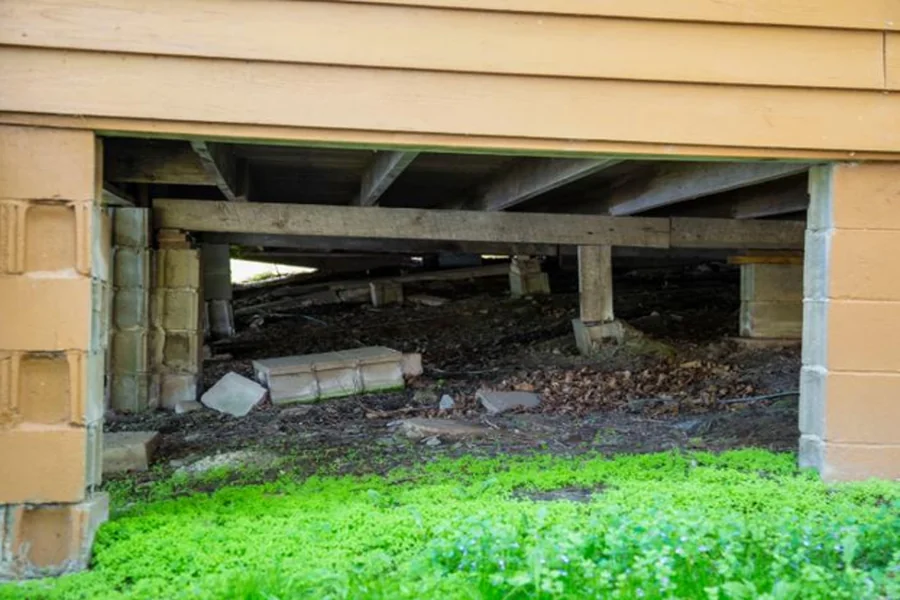
Most homeowners picture giant jacks and heavy equipment when they think about foundation repair. Lifting a house can look dramatic and, in some cases, necessary. But many foundation issues can be corrected without raising the structure. It depends entirely on the type of damage, how far the foundation has moved, and what methods a professional recommends. Not every problem requires an invasive approach. In many cases, repairs can be handled through stabilization, reinforcement, or soil correction rather than a full lift.
This is often the first question homeowners ask when exploring options for professional help, such as foundation repair in chicago. Lifting a home can sound intimidating, but understanding when it is necessary and when it is not can help you make the right decision for your property.
When Foundation Problems Do Not Require Lifting
There are several situations where a foundation can be repaired without lifting the home. These repairs address cracks, soil issues, and structural movement without shifting the building.
Minor or Surface Cracks
Small vertical cracks in concrete are usually repairable with epoxy injections or polyurethane systems. These sealants prevent water from entering and strengthen the crack, preventing it from spreading. No lifting is involved because the structure has not moved significantly.
Early Stage Settlement
If the home has only settled slightly, stabilization methods may correct the issue without raising the house. This includes soil improvement, drainage correction, or installing limited pier support to stop further movement rather than lifting the home back to its original position.
Bowing or Leaning Walls
Homes with bowing basement or crawl space walls often benefit from wall anchors, carbon fiber reinforcement, or bracing systems. These solutions stabilize the wall and prevent further inward movement without altering the structure’s elevation.
Moisture Problems Beneath the Foundation
Water issues under or around the foundation, including soil expansion or erosion, can often be corrected with drainage improvements, sump pumps, or moisture barriers. These repairs stabilize the environment rather than lifting the building.
Concrete Slab Repairs
When only a portion of a slab is affected, slab jacking or foam injection can raise the slab itself, rather than lifting the entire home. This is common in garages, porches, driveways, and interior slab floors.
When Lifting Becomes Necessary
Although many foundation problems can be repaired without lifting the house, some situations require raising the structure to restore stability. Lifting typically occurs when the foundation has sunk so far that the home no longer sits level or safe.
Severe Settlement
If one section of the home has dropped significantly, lifting is often necessary to restore the structure to its original level. Piers are placed under the sinking area and then used to raise the home carefully.
Extensive Structural Damage
If major cracks run throughout the foundation or large portions of concrete have broken apart, lifting may be required to rebuild or reinforce failing areas.
Foundation Replacement
If the foundation has deteriorated beyond repair, the only solution may be to lift the home, remove the damaged sections, and rebuild a new foundation beneath it.
Collapsing or Weak Soil
When the soil beneath the home can no longer support its weight, lifting is used to stabilize and redirect the load onto deeper, stronger soil layers, using steel or helical piers.
Types of Repairs That Avoid Lifting
Homeowners often breathe a sigh of relief when they learn that most modern repairs are designed to minimize disruption. Here are the most common foundation repair methods that typically do not require lifting.
Wall Anchors
These are used to stabilize bowing walls by gradually pulling them back to their original position.
Carbon Fiber Straps
Lightweight but strong, these help reinforce cracks or bowing walls without excavation or lifting.
Helical Tiebacks
Used for lateral reinforcement, especially when walls are pushed inward by soil pressure.
Epoxy or Polyurethane Crack Injection
A cost-effective solution for small cracks that do not indicate structural movement.
Slab Jacking or Poly Foam Injection
Lifts individual concrete slabs under a home or around the property without raising the structure.
Drainage Correction
Extensive foundation issues begin with water. Improving drainage can prevent future settling or cracking without requiring the home to be lifted or relocated.
How Professionals Determine Whether Lifting Is Needed
Experts evaluate several factors before deciding whether lifting is necessary as part of foundation repair. These include:
- The severity of the settlement
- The direction of structural movement
- Soil stability around and beneath the home
- Condition of beams, walls, and load-bearing points
- The size and pattern of cracks
- Whether the floors or the roofline show distortion
If the structure remains stable and aligned, foundation repair without lifting is usually preferred. When the building has shifted significantly and structural alignment is compromised, lifting becomes the safer and more reliable approach.
Why Avoiding Lifting Is Sometimes Better
Lifting is effective, but it is also more complex and costly than non-lifting methods. Repairs that stabilize the home without raising it often provide:
- Faster repair times
- Lower cost
- Less disruption to living spaces
- Minimal equipment and excavation
- Reduced risk of secondary damage
For many homeowners, achieving long-term stability through standard foundation repair methods without lifting is the ideal outcome.
Conclusion
Many foundation problems can be resolved without lifting the house when addressed early. Cracks, minor settling, moisture intrusion, and lateral pressure issues usually respond well to today’s stabilization methods. Full lifting becomes necessary only when the structure has shifted enough to threaten its overall stability. Homeowners who want reliable guidance often turn to Chicago Foundation Repair Experts for a clear assessment and long-term solutions.