
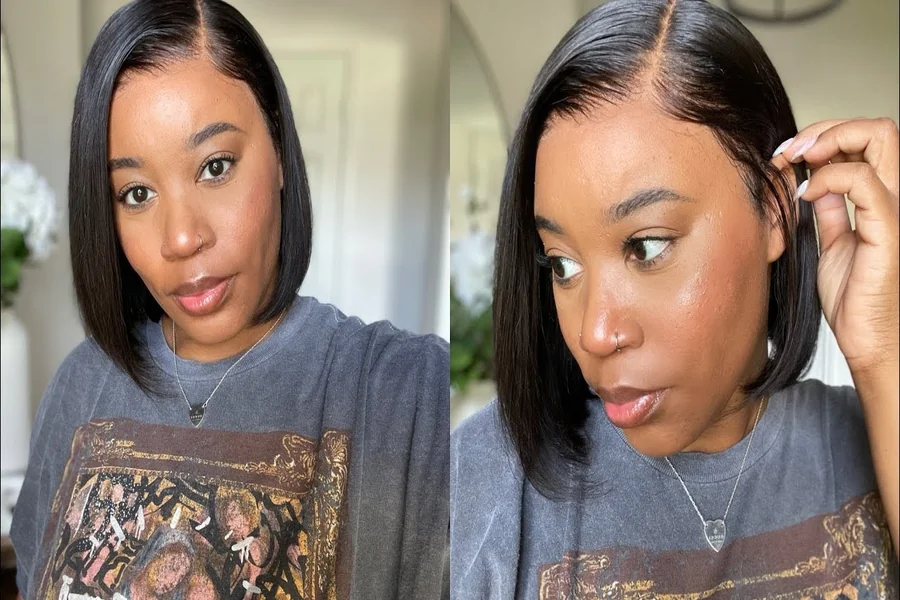
A bob wig is one of the easiest ways to look polished without spending hours on styling. It frames the face, works in every season, and can be dressed up or down with minimal effort. For beginners, though, the difference between a bob that looks “salon-fresh” and one that looks obviously like a wig often comes down to a few small details: fit, parting, density, and finishing. This guide breaks down the essentials so you can wear your bob wig confidently for an everyday, natural look—including how to choose trending options like side part bob wigs and bright, eye-catching 613 bob wigs.
1) Start with the right bob length for daily wear
Most beginner-friendly bob wigs fall into three common lengths: around 8, 10, or 12 inches. Shorter bobs tend to be easier to maintain because they tangle less and don’t rub as much against collars and shoulders. Longer bobs offer more styling flexibility but may require a bit more upkeep at the ends.
- If you want the most low-maintenance option, pick a bob that hits around the jawline or chin.
- If you want “everyday but still versatile,” a chin-to-just-below-chin bob is a sweet spot.
- If you love movement and softer framing, a longer bob (lob) is flattering, but expect more brushing and friction control.
For beginners, it’s smart to choose a length that matches your routine. If you’re always rushing, a shorter bob will look fresher for longer.
2) Choose a density that looks realistic
Many new wig wearers assume thicker hair always looks better. With bob wigs, too much density can look boxy and “helmet-like,” especially around the cheeks and jawline. A realistic, everyday bob usually has moderate density—enough to look full, but not so thick that it overwhelms your face.
If you want a clean, modern silhouette, go for a density that allows the bob to fall naturally rather than standing out. You can always add volume with light styling, but removing bulk later is harder unless you’re comfortable customizing.
3) Fit is everything: install and placement basics
A flawless everyday bob starts with correct placement. If the wig sits too far forward, the hairline looks unnatural. Too far back, and the cap can show or the forehead looks “off.”
Beginner checklist:
- Secure your natural hair flat (low braids, flat twists, or a smooth wrap).
- Adjust the wig so it sits just behind your natural hairline.
- Make sure ear tabs are symmetrical and comfortable.
- Use the adjustable straps to keep it snug without headaches.
A bob wig should feel stable when you turn your head. If it shifts, no amount of styling will fully fix the “wiggy” look.
4) Why side parts are beginner-friendly
If you’re not sure how to create a natural-looking part, side part bob wigs are a great first choice. A side part tends to look softer and more “lived-in” than a perfectly centered part, and it can be more forgiving if the hairline isn’t heavily customized.
Benefits of a side part for everyday wear:
- Creates instant face framing and can visually slim the face.
- Helps add natural-looking volume at the front without teasing.
- Looks stylish even when you do minimal styling.
To keep a side part looking real, avoid making the part line too sharp or too wide. A slightly imperfect, blended part often looks more natural in real life.
5) Understanding 613 bob wigs (and how to make them look natural)
613 bob wigs are popular because that bright blonde shade makes the bob look bold, modern, and photo-ready. But beginners should know that 613 (a very light blonde) can also make a wig look less natural if the tone doesn’t suit you or if the hair is too shiny.
How to make 613 look more wearable for everyday:
- Consider a rooted version (darker roots) for a more natural transition.
- Keep shine controlled—too much oil or gloss spray can look “plastic” in sunlight.
- Match your brows and makeup to the blonde. Even a small brow adjustment (lighter brow pencil or softer shade) can make the whole look harmonize.
- Prioritize hair quality. Lighter colors can show dryness faster, so choose a wig that stays smooth and soft.
If you love the blonde look but want something more subtle, you can also tone or dye human-hair 613 wigs into warmer honey blondes, beige blondes, or even fashion shades like pastel pink—just be sure you’re working with hair that can handle color.
6) Everyday styling: the “blowout bob” formula
You don’t need complicated styling for a natural bob. Think of a clean everyday finish in three zones:
- Smooth the crown: Lightly flatten puffiness so it looks like a fresh blowout.
- Keep movement in the mid-lengths: Don’t over-spray; you want touchable hair.
- Shape the ends: A subtle bend or under-curl instantly looks polished.
If your wig is human hair, use heat protectant and moderate heat. If it’s synthetic, only use heat if it’s labeled heat-friendly and stay within the recommended temperature. Overheating can create roughness that tangles and looks dull.
7) Daily maintenance to keep your bob looking fresh
The fastest way a bob wig stops looking “everyday flawless” is friction and buildup. Because bobs sit at the neck and jawline, they rub against clothing and pick up product residue quickly.
Simple maintenance habits:
- Detangle gently from ends upward (wide-tooth comb first).
- Use lightweight leave-in or detangling spray—avoid heavy oils at the roots.
- Store the wig on a stand or in a satin bag to keep the shape.
- Wash only as needed, but rinse thoroughly to prevent buildup.
For 613 shades, be extra careful with staining from makeup, tinted powders, and certain sprays.
Conclusion
A beginner-friendly bob wig routine is all about getting the fundamentals right: realistic density, secure fit, a natural-looking part, and simple finishing. Side part bob wigs are a great starting point because they’re flattering and forgiving, while 613 bob wigs offer a bold blonde statement that can still look everyday-natural with the right tone, shine control, and styling. Once you master placement and light shaping at the ends, your bob will look less like “a wig” and more like your signature haircut—every single day.