

Choosing the right ergonomic chair is no longer just about comfort. With more people working from home, gaming for longer hours, or spending full days at a desk, the chair you sit on plays a major role in your back health, posture, and long-term well-being. A poorly designed chair can quietly contribute to back pain, neck strain, poor circulation, and fatigue. On the other hand, a well-chosen ergonomic chair supports your body naturally and helps you stay comfortable and focused throughout the day.
Understanding what truly makes a chair ergonomic will help you avoid common buying mistakes and choose a chair that actually benefits your posture instead of worsening it.
Why an Ergonomic Chair Matters for Your Back
The human spine has a natural curve that needs consistent support when sitting for long periods. Regular chairs often fail to support this curve, forcing the body into unnatural positions. Over time, this leads to slouching, muscle imbalance, and chronic discomfort. Ergonomic seating solutions, including options like the Razer ergonomic chair, are designed to support the spine’s natural alignment and encourage healthier sitting habits during extended desk or gaming sessions.
An ergonomic chair supports upright sitting by reducing pressure on the lower back, shoulders, and neck. By promoting balanced weight distribution and allowing natural movement, it lowers the risk of long-term spinal issues and helps prevent stiffness after extended sitting.
Lumbar Support as a Core Feature
One of the most important factors when choosing an ergonomic chair is lumbar support. The lower back naturally curves inward, and without proper support, this area bears excessive strain.
A good ergonomic chair should have adjustable lumbar support that fits the shape of your lower back. Fixed lumbar support may work for some people, but adjustable support allows you to customise the chair to your height and posture. This flexibility is essential for maintaining spinal alignment throughout the day.
Seat Height and Depth for Proper Alignment
Seat height plays a critical role in posture. When seated correctly, your feet should rest flat on the floor while your knees remain roughly level with your hips. If the seat is too high, circulation can be restricted. If it is too low, pressure builds in the hips and lower back.
Seat depth is equally important. The seat should support most of your thighs without pressing against the back of your knees. A chair with an adjustable seat depth allows you to sit comfortably while keeping your back fully supported by the backrest.
Backrest Design and Recline Support
An ergonomic chair should support the entire back, not just the lower spine. Look for a backrest that follows the natural curve of the spine and supports the upper back and shoulders.
Recline functionality is also essential. Sitting upright all day places constant pressure on the spine. A reclining backrest allows you to shift positions while keeping your back supported. Chairs that allow tension control and lockable recline positions give your body the freedom to move without sacrificing posture.
Armrest Adjustability and Shoulder Comfort
Armrests may seem secondary, but they play a major role in reducing shoulder and neck tension. Poorly positioned armrests force the shoulders to lift or hunch, leading to discomfort over time.
An ergonomic chair should offer adjustable armrests that can move up or down and ideally adjust inward or outward. This allows your arms to rest naturally at desk height while keeping your shoulders relaxed.
Material Choice and Breathability
The material of an ergonomic chair affects both comfort and usability. Breathable materials such as mesh help regulate temperature and prevent heat buildup during long sitting sessions. This is particularly helpful for people who sit for many hours or live in warmer environments.
Cushioned fabric or leather chairs can feel comfortable initially, but may trap heat over time. While material choice is partly personal preference, breathability should be a key consideration for long-term comfort.
Stability and Base Construction
A quality ergonomic chair should feel stable and secure. A strong base with smooth-rolling casters allows easy movement without straining the body. Chairs with five-point bases generally provide better balance and reduce the risk of tipping.
Stability is especially important if you frequently shift positions or recline throughout the day.
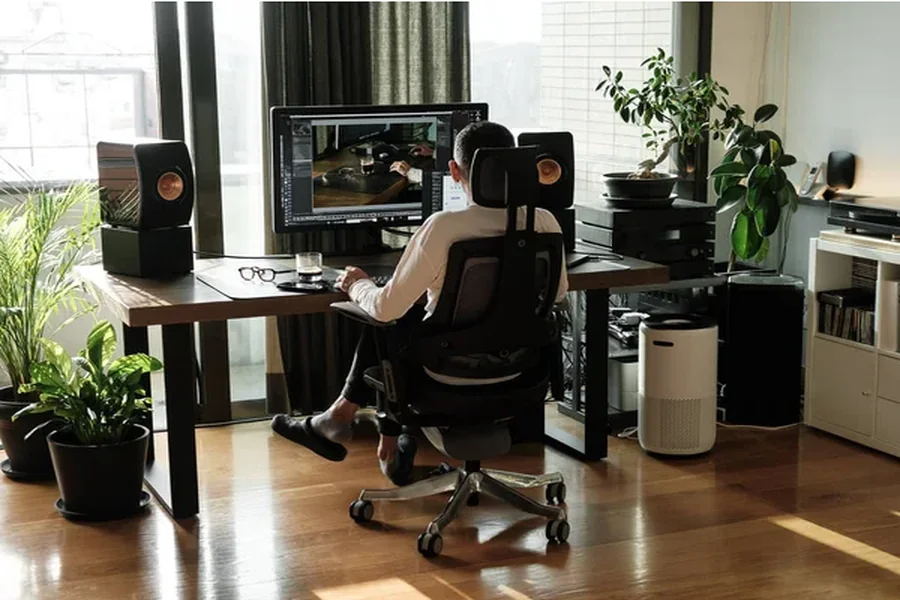
Matching the Chair to Your Daily Use
Not all ergonomic chairs are designed for the same purpose. Some are built for office productivity, while others cater to long gaming sessions. Think about how many hours you sit daily and what activities you perform most.
If you work long hours at a desk, prioritise lumbar adjustability, seat depth, and breathable materials. If you alternate between working and gaming, look for a chair that balances posture support with comfort and flexibility.
Conclusion
Choosing the right ergonomic chair is an investment in your long-term health rather than just a furniture upgrade. A well-designed ergonomic chair supports your spine, encourages better posture, and reduces the risk of back and neck pain. By focusing on lumbar support, adjustability, material choice, and overall fit, you can find a chair that works with your body instead of against it.
The right chair will not only improve comfort but also boost productivity and reduce fatigue throughout the day.
FAQs
How do I know if a chair is truly ergonomic?
A truly ergonomic chair offers adjustable lumbar support, seat height, backrest recline, and armrests to fit different body types.
Is an ergonomic chair worth the cost?
Yes, investing in an ergonomic chair can help prevent long-term back issues and reduce daily discomfort.
Can an ergonomic chair fix back pain?
While it may not cure existing conditions, it can significantly reduce strain and prevent pain from worsening.
How long should an ergonomic chair last?
A high-quality ergonomic chair can last several years with proper use and maintenance.
Are mesh chairs better than cushioned chairs for posture?
Mesh chairs often provide better breathability and consistent support, especially for long sitting hours.