
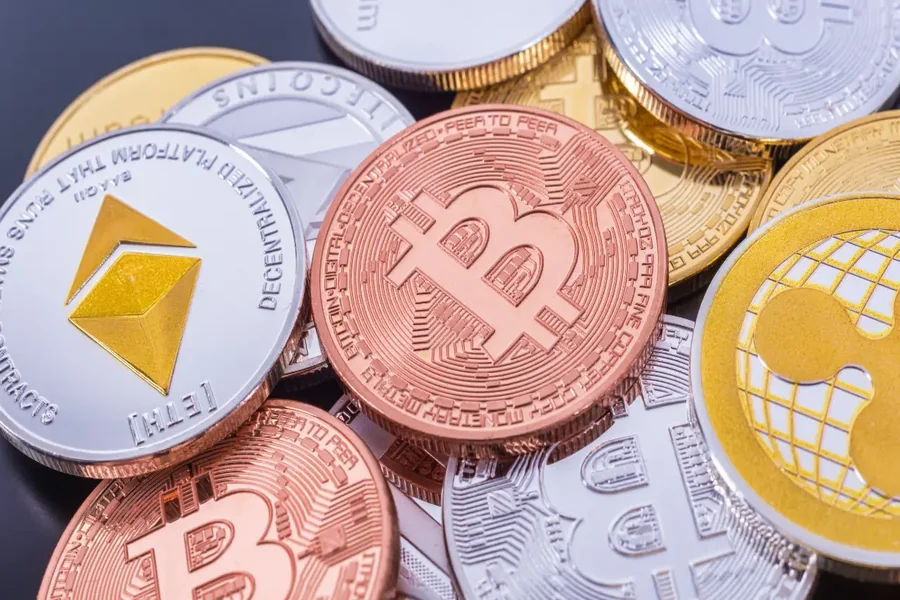
Cryptocurrency has evolved from a niche digital experiment into a global financial phenomenon. For newcomers, this world of blockchain, digital wallets, and decentralized finance can seem intimidating. This guide will demystify the core concepts, introduce you to the key players, and provide a clear path for anyone looking to understand or get involved in the digital currency revolution. Whether you’re a curious observer or an aspiring investor, understanding the fundamentals is the first step toward navigating this exciting and dynamic market.
What is Cryptocurrency? Unpacking the Digital Gold Rush
At its core, a cryptocurrency is a digital or virtual currency secured by cryptography, making it nearly impossible to counterfeit or double-spend. Unlike traditional currencies issued by governments (fiat currencies), most cryptocurrencies are decentralized. They operate on a technology called blockchain—a distributed public ledger that records all transactions across a vast network of computers. This structure has several key benefits. It’s transparent, as anyone can view the transaction history. It’s secure, as altering a transaction would require changing the majority of records across the network, which is computationally infeasible. And it’s decentralized, meaning no single entity like a bank or government controls it, giving users more autonomy over their funds.
The Pioneers: Understanding Bitcoin and Ethereum
While thousands of cryptocurrencies exist, two stand out for their foundational impact on the industry.
Bitcoin (BTC) was the first-ever cryptocurrency, created in 2009 by an anonymous entity known as Satoshi Nakamoto. Its primary purpose was to be a peer-to-peer electronic cash system, allowing online payments to be sent directly from one party to another without going through a financial institution. Over time, due to its limited supply of 21 million coins, Bitcoin has also become widely regarded as a “store of value,” often compared to digital gold. It remains the largest and most well-known cryptocurrency.
Ethereum (ETH) launched in 2015 and introduced a revolutionary concept: smart contracts. These are self-executing contracts with the terms of the agreement directly written into code. This functionality transformed the blockchain from a simple transaction ledger into a programmable platform. Ethereum became the foundation for decentralized applications (dApps), decentralized finance (DeFi), and non-fungible tokens (NFTs), creating a vibrant ecosystem of innovation built upon its network.
Beyond the Giants: A World of Altcoins
Any cryptocurrency that isn’t Bitcoin is referred to as an “altcoin,” short for “alternative coin.” The altcoin market is incredibly diverse, with each project aiming to improve upon Bitcoin’s original design or serve a specific purpose. Some focus on faster transaction speeds and lower fees, like Solana (SOL), making them suitable for high-frequency applications. Others, such as Cardano (ADA), emphasize a research-driven, sustainable, and scalable approach to blockchain development. Then there are stablecoins, like Tether (USDT) or USD Coin (USDC), which are pegged to a stable asset like the U.S. dollar. Their primary role is to provide stability in the notoriously volatile crypto market, acting as a reliable medium of exchange.
How to Get Started with Cryptocurrency: A Step-by-Step Approach
Entering the world of crypto requires a methodical approach focused on education and security.
First, arm yourself with knowledge. The crypto market is complex, and understanding the technology, market trends, and risks is vital before investing. A comprehensive cryptocurrency guide can provide in-depth information on trading strategies, market analysis, and risk management.
Second, choose a reputable cryptocurrency exchange. An exchange is a platform where you can buy, sell, and trade digital currencies. Look for one with strong security measures, a user-friendly interface, and a good selection of assets.
Third, secure your assets with a wallet. A crypto wallet stores your public and private keys, which are the cryptographic data needed to access and manage your funds. Hot wallets are connected to the internet and are convenient for frequent trading, while cold wallets are offline and offer the highest level of security for long-term storage.
Finally, make your first purchase. After setting up and verifying your exchange account, you can link a payment method and buy your first cryptocurrency. It is always wise to start with a small amount that you are prepared to lose as you learn to navigate the market.
The Future of Cryptocurrency and Blockchain Technology
The cryptocurrency industry is still in its early stages, but its potential to reshape the future is immense. We are seeing increasing adoption from major financial institutions, corporations, and even governments. The technology is a cornerstone of Web3, the vision for a more decentralized, user-controlled internet. From streamlining cross-border payments and enhancing financial inclusion to creating new forms of digital ownership through NFTs, the applications for blockchain and crypto are constantly expanding. While volatility and regulatory uncertainty remain key challenges, the underlying innovation continues to drive the industry forward, promising a future where finance is more open, transparent, and accessible to everyone.