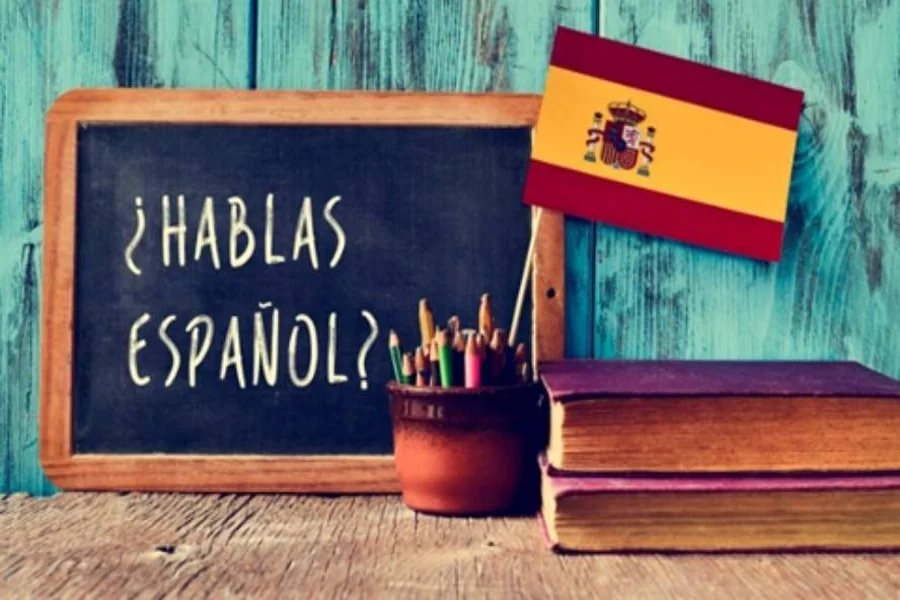
Applying to a university in the United States can be both exciting and challenging, especially for students whose first language is Spanish. The U.S. offers world-class education and diverse opportunities, but the process of applying, preparing documents, and adapting to a new culture requires careful planning. This guide outlines what Spanish-speaking students need to know when applying to U.S. universities from understanding the application process to ensuring that all official documents are correctly translated and certified.
Understanding the U.S. University Application Process
The American university system values academic performance, extracurricular involvement, and strong personal motivation. Unlike some other education systems that rely solely on grades or entrance exams, U.S. universities look for a combination of factors to understand the whole student.
The first step for any applicant is to research universities that match their academic interests and career goals. Spanish-speaking students should pay attention to each institution’s admission requirements, tuition costs, and available scholarships for international students. Most universities provide detailed application guidelines on their official websites.
A complete application usually includes:
- Official academic transcripts and diplomas
- Proof of English language proficiency (through TOEFL, IELTS, or Duolingo English Test)
- Letters of recommendation from teachers or employers
- A personal essay or statement of purpose
- Financial documentation showing the ability to pay tuition and living expenses
It’s important to start preparing these materials months in advance. U.S. universities have strict deadlines, and missing even one requirement can result in an incomplete application. Many universities also require that all documents not originally in English be accompanied by a certified translation. This ensures the admissions office can verify the accuracy of grades, names, and official information.
Because each university can have slightly different requirements, students are encouraged to create a checklist and confirm directly with the admissions office if they have any doubts. Proper organization and early preparation can make a significant difference in the success of the application.
Preparing and Translating Official Documents
One of the most important parts of the application process is preparing and translating official documents. Every university expects accuracy and authenticity, and even a minor translation error could cause unnecessary delays.
Spanish-speaking students will often need to translate documents such as:
- Academic transcripts and diplomas
- Recommendation letters
- Identification documents (passports, national ID)
- Financial statements
These translations must be certified, meaning they are officially verified as accurate by a professional translator or accredited translation agency. Certified translations typically include a signed declaration stating that the translation is complete and accurate to the best of the translator’s knowledge.
It is also important that translations preserve the format and context of the original documents without unnecessary design elements. U.S. institutions value clarity and precision over stylistic replication.
To avoid common issues, students should:
- Work only with professional certified translators familiar with U.S. academic standards.
- Verify whether their chosen university has specific formatting or certification rules.
- Keep digital and hard copies of all translated materials for future use (such as visa applications).
For students who need professional assistance, Kings of Translation offers certified Spanish translation services accepted by U.S. universities and government bodies. Their team ensures every document meets official standards for accuracy and formatting. If you require your academic or personal documents to be translated and certified for university applications, click here to learn more.
Tips for Adapting to Academic Life in the U.S.
Once the application process is complete and a student receives an acceptance letter, the next step is preparing for life in the United States. For many Spanish-speaking students, this transition can be both rewarding and challenging.
Adapting to a New Academic Environment
The U.S. education system encourages open discussion, participation, and independent thinking. Students are often expected to express opinions, ask questions, and participate in group projects. At first, this interactive style of learning can be different from the more traditional classroom settings in Latin America or Spain, but it quickly becomes an opportunity to grow academically and personally.
Improving English Skills
Even after passing an English proficiency exam, daily communication in an academic environment may take time to adjust to. Joining conversation clubs, watching lectures in English, and reading academic materials can help. Universities also offer writing centers and tutoring programs to assist non-native English speakers.
Building a Community
One of the best ways to adapt is by connecting with other students who share similar experiences. Many universities have international student associations and Latin American student clubs that organize social events, cultural nights, and networking activities. These communities provide valuable support and help students feel more at home in a new country.
Managing Cultural Differences
Cultural differences can extend beyond language. In the U.S., punctuality, direct communication, and self-reliance are often emphasized. Understanding these aspects can help Spanish-speaking students avoid misunderstandings and make a positive impression in both academic and social settings.
Balancing Study and Life
Studying abroad is not just about academics. Taking time to explore local culture, travel, and engage in extracurricular activities can make the overall experience richer and more fulfilling. Many students find that this balance helps them perform better academically as well.
Preparing for a Successful Academic Journey in the U.S.
Applying to a U.S. university as a Spanish-speaking student requires dedication, organization, and attention to detail. Understanding the application process, preparing accurate translations, and planning ahead are essential steps toward success. While the journey may seem complex at first, it becomes much smoother with proper guidance and reliable resources.
By seeking certified translations for all official documents and actively preparing for cultural and linguistic adaptation, students can enter their academic journey with confidence. The United States offers immense opportunities for growth, education, and international experience and with the right preparation, Spanish-speaking students can thrive both inside and outside the classroom.