
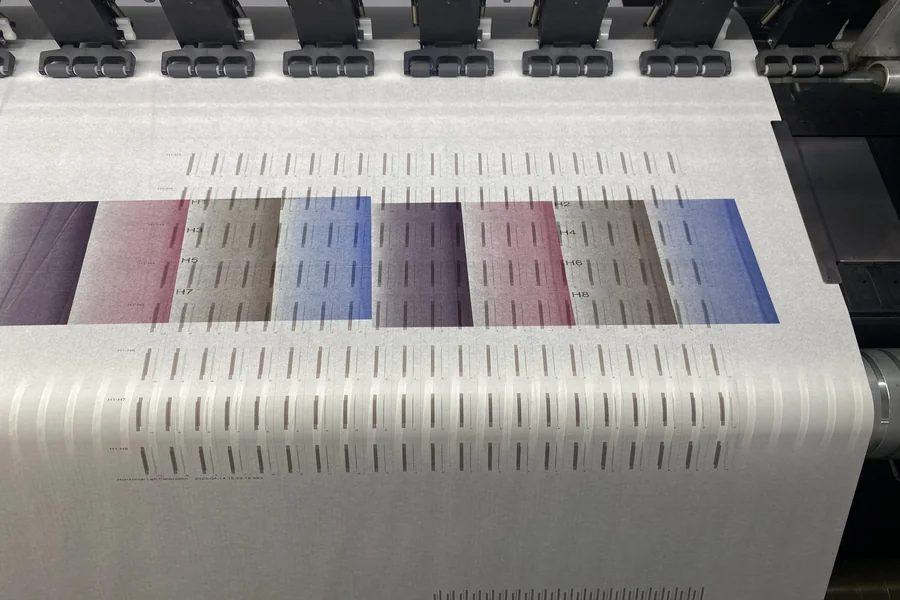
Direct-to-Film (DTF) printing has quickly become one of the most popular methods for producing vibrant, durable, and versatile designs on different fabrics. Its ability to work on cotton, polyester, blends, and even non-textile surfaces has made it a game-changer for both small businesses and large-scale garment manufacturers. However, like every technology, DTF printing comes with its own set of challenges. Understanding these issues—and how to solve them—can save you time, money, and frustration. If you want to explore how DTF compares with other technologies, you can read more about its strengths and differences.
Problem 1: Ink Clogging in Print Heads:
One of the most common challenges in DTF printing is ink clogging. Since DTF printers use white ink—which is thicker than CMYK inks—there’s a higher risk of printhead blockage if maintenance is neglected. This results in streaky prints, faded designs, or missing details.
Solution:
Regular maintenance is key. Running daily nozzle checks, shaking white ink cartridges before use, and ensuring the printer is operated in a clean, temperature-controlled environment can reduce clogging. Many professionals also recommend using a humidifier in dry climates to prevent ink from drying inside the printhead.
Problem 2: Poor Adhesion of Powder to Film
Another issue is uneven adhesion of hot-melt powder to the PET film. If the powder doesn’t stick properly to the wet ink, the transferred design may peel off or wash out quickly.
Solution:
The trick lies in timing and consistency. Ensure that the film is powdered immediately after printing while the ink is still wet. Using a shaker machine for even distribution also helps. Proper curing of the powdered film is equally important to achieve strong bonding during heat transfer.
Problem 3: Colors Appearing Dull or Washed Out
Sometimes, DTF prints may appear faded, lacking the vibrancy expected from this technology. This usually happens due to incorrect RIP software settings, poor ink quality, or improper color profiles.
Solution:
Always use the right ICC color profiles provided with your printer and inks. Check that the white ink underbase is applied correctly, as this ensures the colors pop even on dark fabrics. High-quality inks and films from reliable suppliers also make a big difference in achieving professional-grade results.
Problem 4: Film Sticking or Peeling During Transfer
If the PET film sticks too tightly or peels unevenly, the final print may get damaged. This issue usually arises from incorrect heat press settings—either the temperature, time, or pressure is off.
Solution:
Each DTF Printer comes with recommended transfer settings. Following these guidelines carefully is essential. Generally, applying the right amount of pressure at around 160–170°C for 15–20 seconds works well. Always allow the print to cool slightly before peeling the film to avoid smudging or tearing.
Problem 5: Prints Cracking After Washing;
Durability is one of DTF’s strongest selling points, but if a print cracks or fades after just a few washes, it signals a process error.
Solution:
Check your curing process. If the adhesive powder is not fully melted or the transfer is under-pressed, the print won’t bond well with the fabric. Using high-quality powders and ensuring proper curing can significantly improve wash resistance. Additionally, advising customers to wash garments inside-out in cold water can extend the lifespan of the print.
Problem 6: Ink Smudging or Bleeding:
Smudging and color bleeding can occur if the ink doesn’t cure properly before transfer. This results in blurry edges and low-quality prints.
Solution:
Always make sure the curing step is done at the correct temperature and duration. Investing in a reliable curing oven ensures consistency, especially for businesses handling large orders.
Problem 7: High Ink and Powder Consumption:
Many beginners complain about high ink and powder usage, which increases production costs unnecessarily.
Solution:
Optimizing RIP software settings is crucial. By adjusting ink limits and avoiding over-saturation, you can reduce wastage while still achieving strong, vibrant prints. Training your team to handle materials carefully also cuts down on unnecessary consumption.
Conclusion:
DTF printing is one of the most versatile and innovative printing methods available today, but like any advanced technology, it requires proper knowledge and maintenance to get the best results. From clogged printheads and poor adhesion to washed-out colors and peeling films, most common problems can be solved with regular care, correct settings, and high-quality materials.
Whether you’re running a small custom T-shirt shop or managing bulk production for corporate clients, mastering these solutions will help you deliver consistent, high-quality prints that keep your customers satisfied. By investing in the right equipment and processes, you’ll ensure your DTF business remains competitive and future-ready.